SUPRIA: From Self-Understanding to Meaningful Action
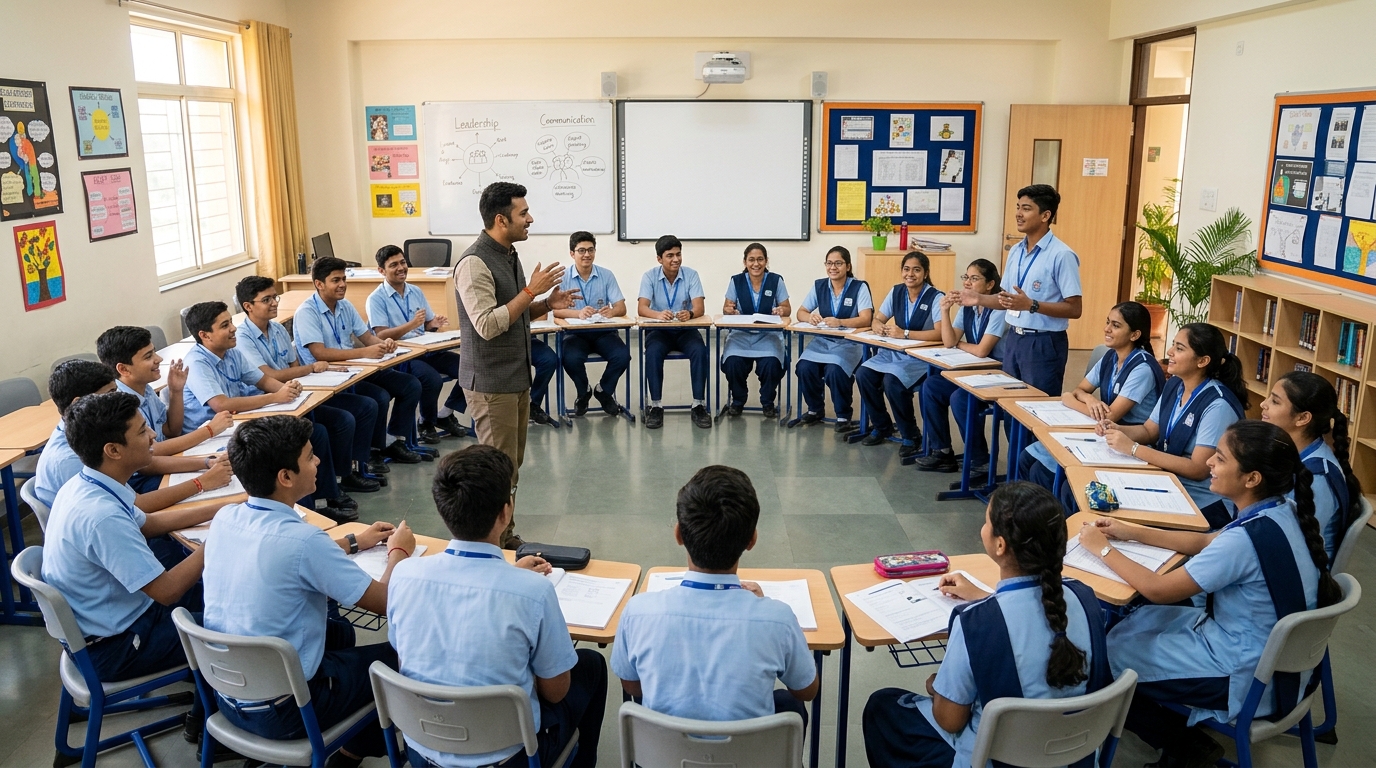
GentleMind's SUPRIA framework connects personality learning with everyday practice. Students reflect on who they are, explore what they can develop and take guided action. Activities, discussion, journaling and feedback help turn ideas into useful habits.
The Six Pillars of SUPRIA
Every letter represents a critical dimension of holistic adolescent development, structured to turn insights into actionable daily behaviors.
Students identify interests, strengths, values, emotions and areas for growth. Reflection and assessment activities provide a starting point for discussion.
Students explore abilities that may not appear in an exam marksheet. Small speaking opportunities, creative tasks and achievable challenges encourage active participation.
Realistic scenarios encourage students to ask questions, compare options and explain decisions. Classroom discussions, role-play and group tasks build reasoning and creativity.
Students practise keeping commitments, organising tasks and taking ownership of choices. Habit trackers, shared responsibilities and reflection on completed work support self-discipline.
Learning extends beyond academic knowledge to emotional and social understanding. Students practise recognising feelings, listening carefully, managing attention and responding thoughtfully.
Every learning theme should lead to an effort the student can make. A short presentation, a teamwork role, a home routine or a career exploration task provides a chance to apply learning.
The Five-Step Learning Cycle
Understand the student's starting point; introduce a focused activity; provide an opportunity to practise; reflect through self, peer or mentor feedback; and repeat with a useful next goal.
Understand
Establish baseline self-awareness without ranking or judgment.
Practise
Engage in structured speaking, role-plays, exercises and group problem-solving.
Reflect
Journal observations, discuss outcomes with peers and receive mentor feedback.
Improve
Identify what remains challenging and refine the habit or technique.
Apply
Reinforce agreed actions in everyday classroom, home and social settings.
What Students Practise
Core areas include self-identity, emotional regulation, communication, goals, habits, empathy, leadership, critical thinking, ethics and integration through a final showcase or review.
Detailed lesson plans remain part of the program curriculum rather than public website copy, ensuring age-appropriate delivery tailored to Classes 7 through 10.
How Progress Is Understood
Assessments, participation, completed tasks and observations help guide feedback. Reports explain the student's starting point and next steps in plain language.
Development varies between learners; no score defines a student's worth or guarantees a future outcome.